Turning A Pet Photo Into A Perfect Likeness

What people recognise first
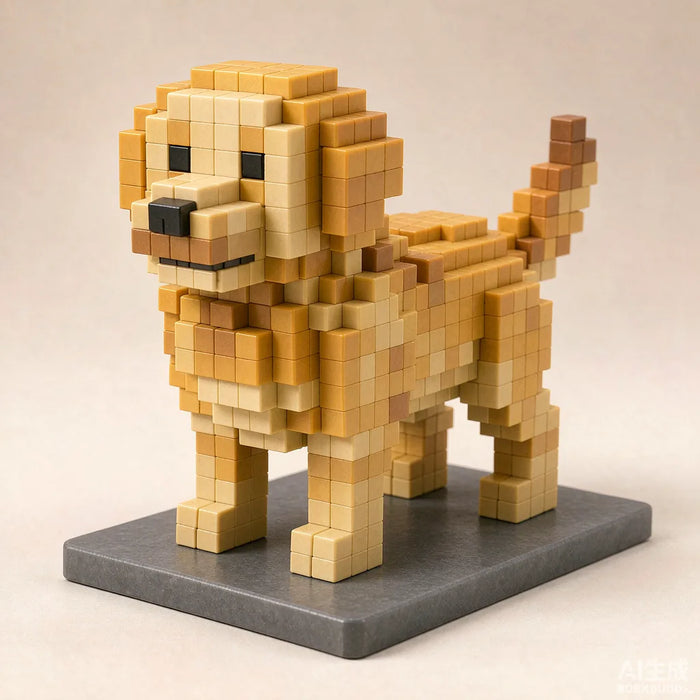
With people we read the face. With pets we read the silhouette: the tilt of the head, the set of the ears, the way the tail hangs, the curve of the back. That is why two golden retrievers can look completely different to their owners and identical to everybody else — and why a pet portrait that softens the ears feels wrong even when the face is right.
So we keep the anatomy honest: the ear set, the eye spacing, the muzzle length and the angle of the head are matched to the photo, not tidied up afterwards.
How to photograph a pet
- Get down to their eye level. A photo taken from standing height flattens the muzzle and shortens the legs.
- Use daylight, not flash. Flash turns fur into a flat white mass and hides the shape of the head.
- Wait for the ears. The photo you want is the one taken at the second they look up.
- Take twenty. Sentiment and sharpness rarely arrive in the same frame, so send us two or three favourites and we will say which one prints best.
Fur, markings and colour
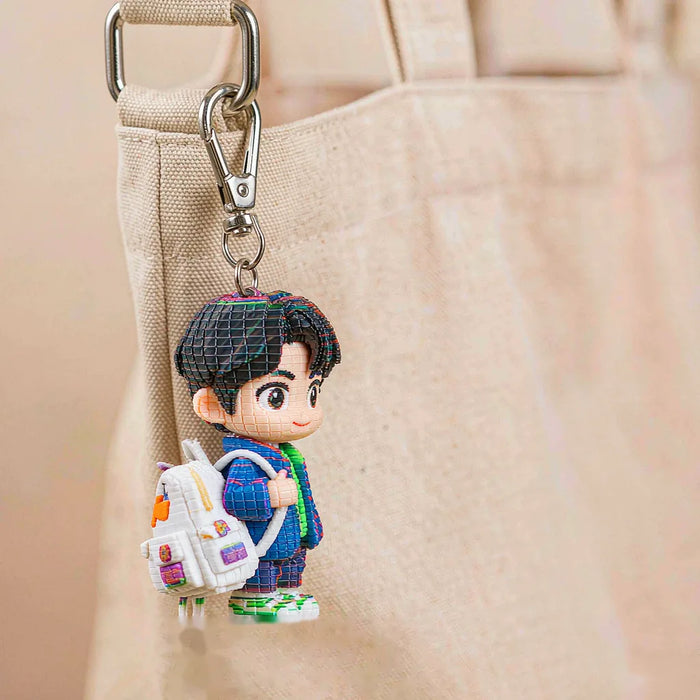
Everything is printed in full-color resin, layer by layer, so patches, brindle and mismatched socks all come through. If a marking matters to you — a white paw, a dark ear, a scar — say so when you approve the proof and we will check it against the photo.
For the ones who have passed
Many of these orders are memorial pieces, and the photo is often old, soft or a scan. Send it anyway. We will tell you honestly what can be recovered, keep the expression gentle rather than dramatic, and include a keepsake card with the finished piece.
Ready to make yours?
Send one photo, pick a mood, and approve a free design proof by email. The song — and a video from your character, if you want one — comes with it.